



Water & Soil Conservation and Natural Resource Management Program
Janseva Gramin Vikas Va Shikshan Pratisthan has been implementing Water and Soil Conservation and Natural Resource Management programs since 1996 across Yavatmal, Wardha, and Hingoli districts. With the support of NABARD, WOTR, Reliance Foundation, Agriculture Department, and the Forest Department, the organization works towards sustainable livelihood development by promoting efficient natural resource use, improving soil health, enhancing water availability, and strengthening community resilience.
Janseva Gramin Vikas Va Shikshan Pratisthan Has been implement Water and Soil Conservation and Natural Resource Management Program since 1996 in Yavatmal, Wardha, Hingoli with the Support of Nabard, WOTR, Agriculture Department, Forest Department for the sustainable livelihood.
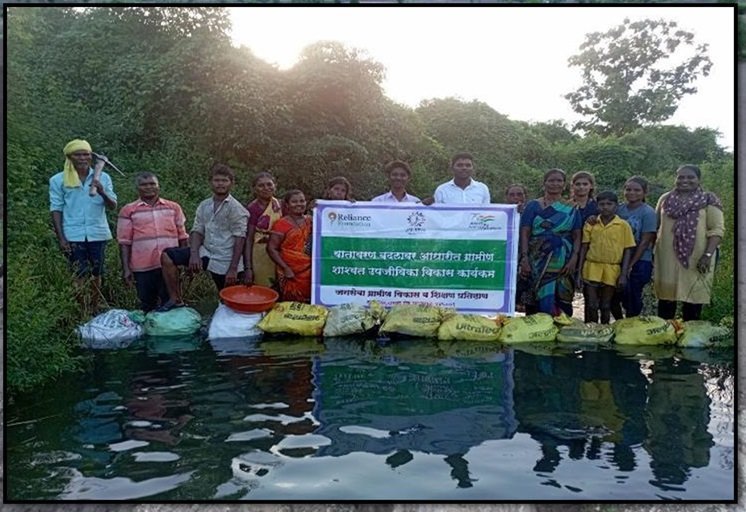
Water scarcity, soil erosion, and declining agricultural productivity have long been major challenges for rural communities in the Vidarbha region of Maharashtra. Recognizing that sustainable water management is the foundation for rural development, Janseva Gramin Vikas Va Shikshan Pratishthan began its watershed development initiatives in 1996 with the vision of restoring natural resources and strengthening the livelihoods of farming communities.
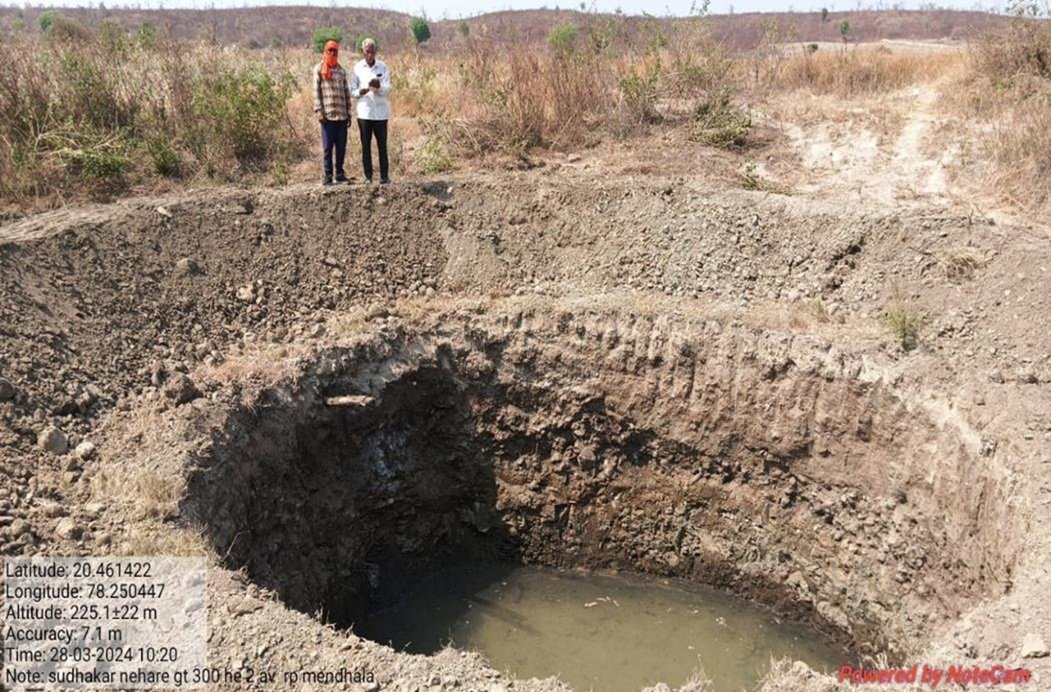
Over the years, the organization has implemented watershed development programs as a Project Implementing Agency (PIA) across 35 villages in Yavatmal, Wardha, and Hingoli districts, covering nearly 14,800 hectares of land. These interventions have directly benefited more than 5,000 farmers, helping them improve agricultural productivity and ensure water security for their fields and households.
The watershed program focuses on integrated soil and water conservation measures designed to reduce land degradation and improve groundwater recharge. Key activities include Continuous Contour Trenches (CCT), Loose Boulder Structures (LBS), farm bunding, graded bunding, gully plugs, field drains, recharge pits, and water harvesting structures such as cement plugs, earthen structures, farm ponds, bori bandharas, and nala deepening and widening. These structures help slow down rainwater runoff, enhance water infiltration into the soil, and significantly reduce soil erosion.
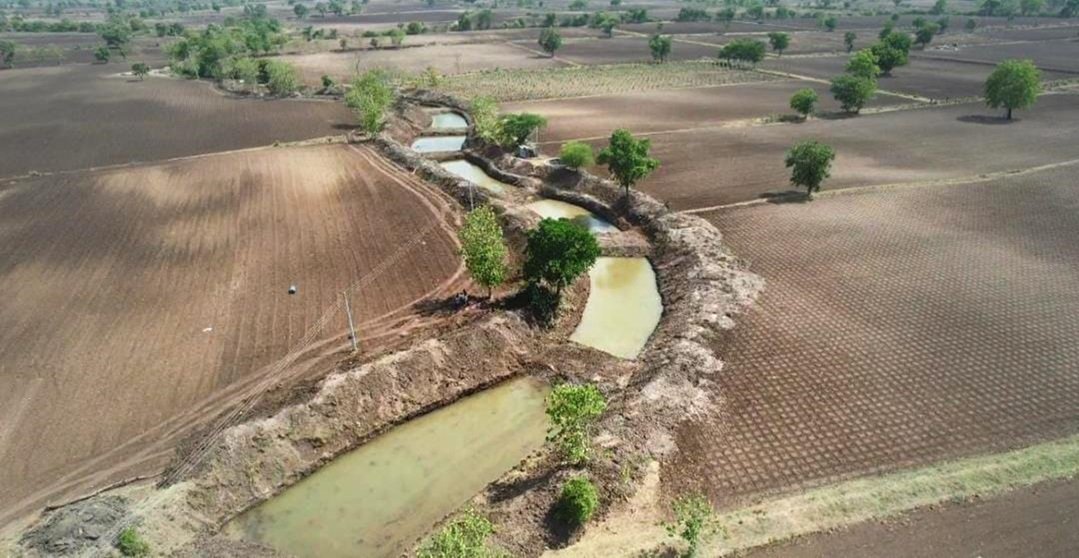
Along with physical watershed structures, Janseva Trust has placed strong emphasis on community participation and capacity building. Farmers, women’s groups, and village institutions are actively involved through training programs, exposure visits, and awareness campaigns on water management, climate change adaptation, and grey water management through soak pits. This participatory approach has strengthened local ownership and ensured the sustainability of watershed assets.
The impact of these efforts has been significant and measurable. In many villages, groundwater levels have increased by an average of 1.5 to 2 meters, enabling farmers to access irrigation for longer periods. Agricultural productivity has improved by approximately 1.5 quintals per acre, and farmers have gradually shifted towards diversified cropping patterns due to improved water availability. These improvements have strengthened rural livelihoods and reduced seasonal migration, allowing families to build a more secure future in their own villages.
Through its watershed development initiatives, Janseva Gramin Vikas Va Shikshan Pratishthan continues to demonstrate how community-driven natural resource management can transform rural ecosystems. By combining technical expertise, community participation, and sustainable practices, the organization is contributing to the creation of water-secure, climate-resilient, and economically vibrant rural communities.