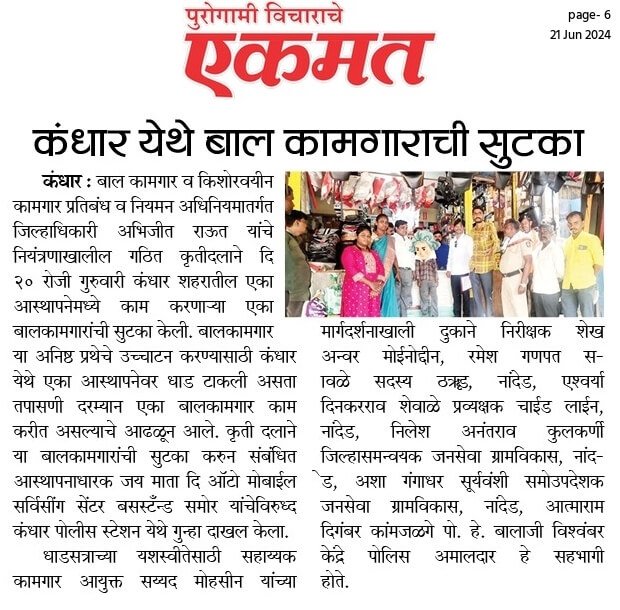

Janseva Gramin Vikas Va Shikshan Pratisthan (Janseva Pratisthan) is leading NGO of Central India working in the tribal belt in Yavatmal, Chandrapur, Pune, Satara, Wardha and Hingoli districts of Maharashtra. Our primary focus is on empowering the vulnerable section of the community, more particularly Rural women, Elderly and Children, Child right and Protection Child Labour, Child Marriage, Child Trafficking, Janseva is thriving to enhance the quality and dignity of lives.
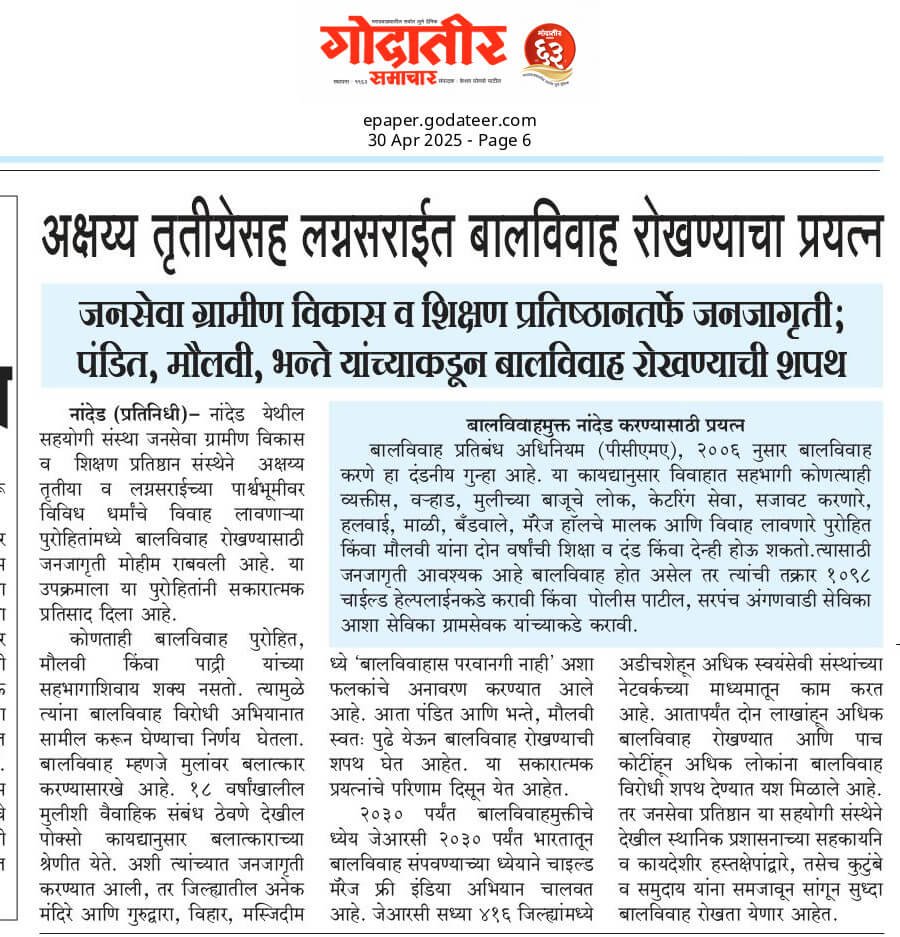
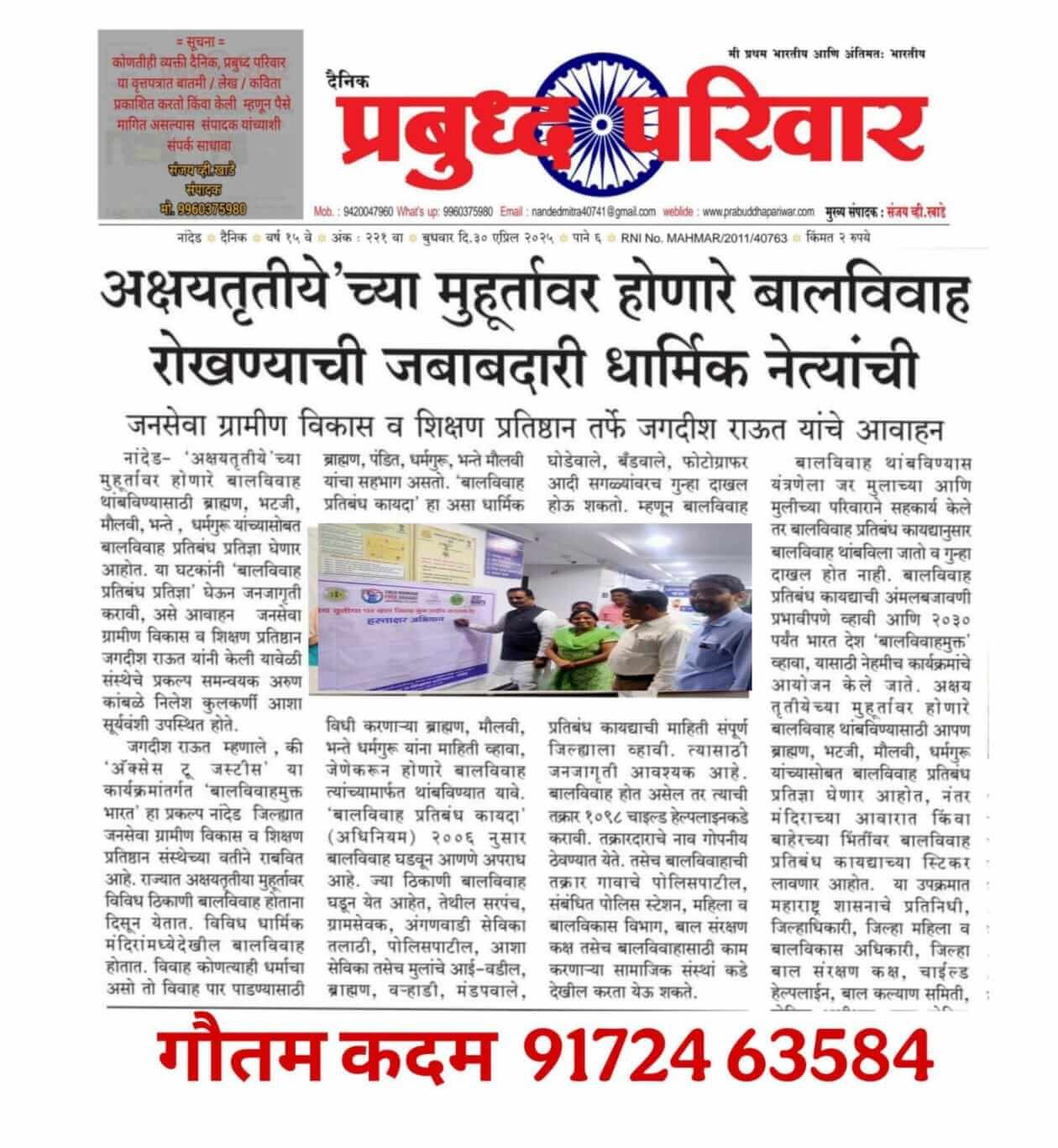
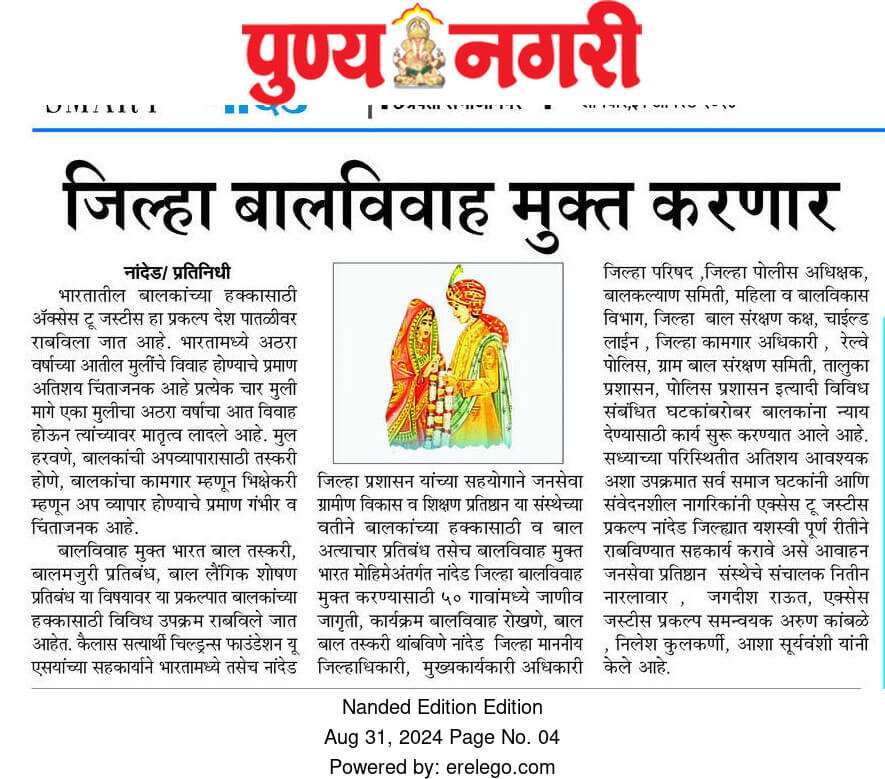
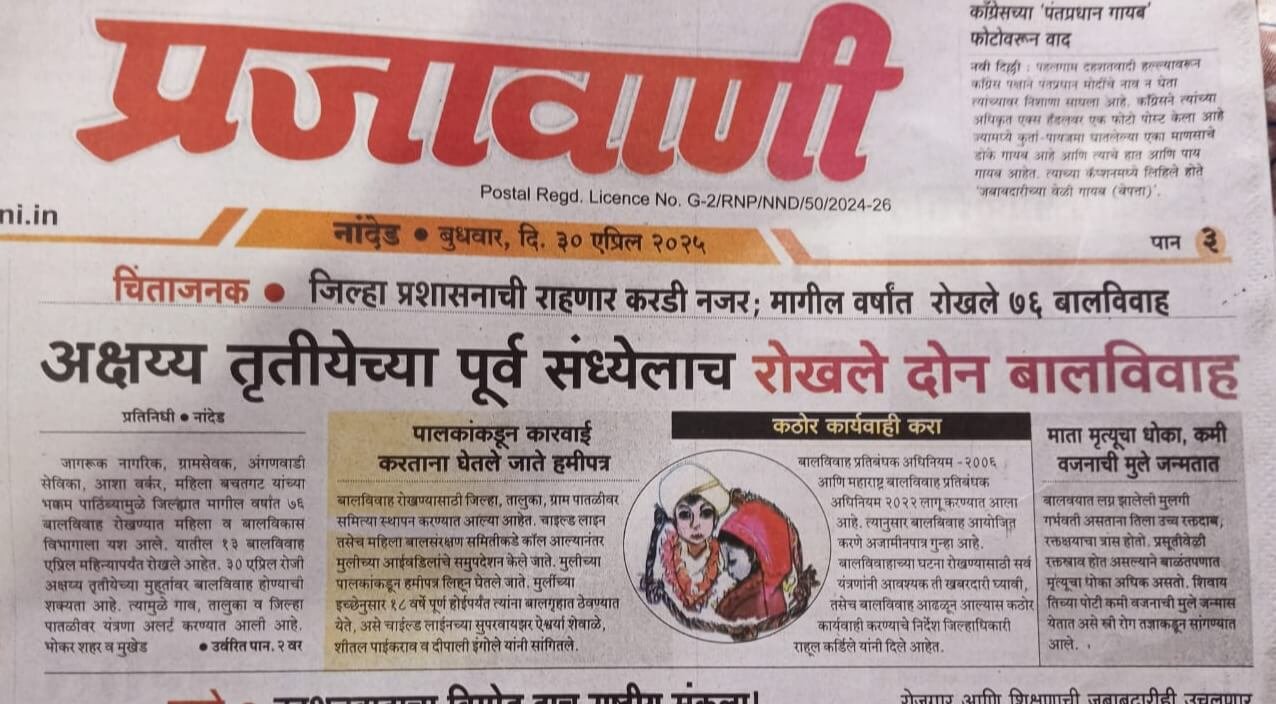
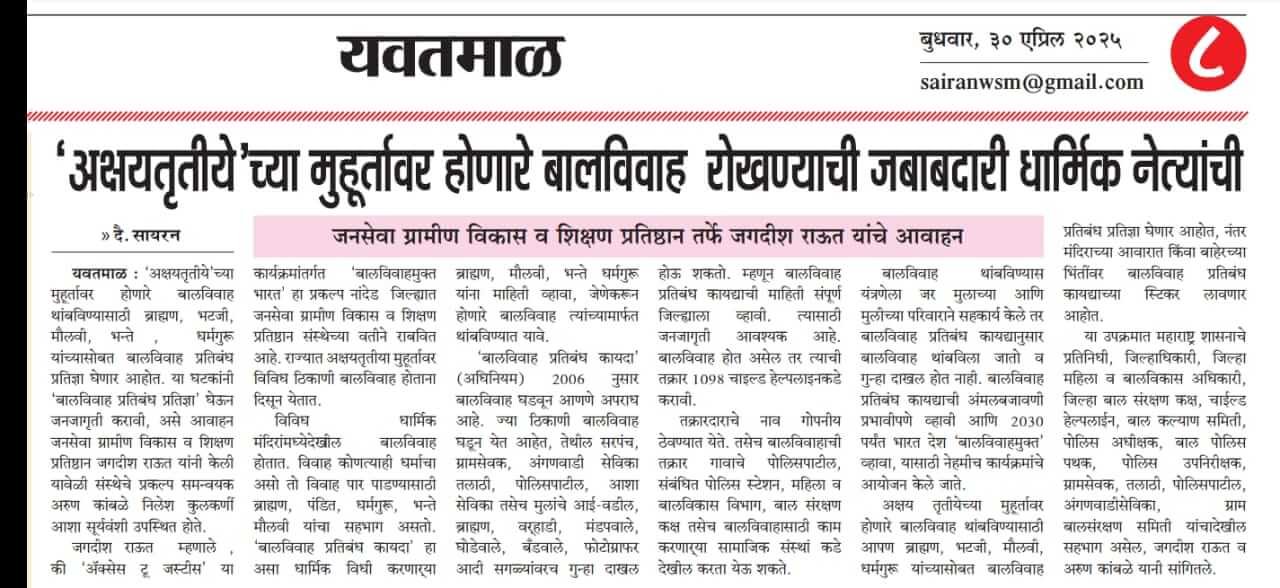
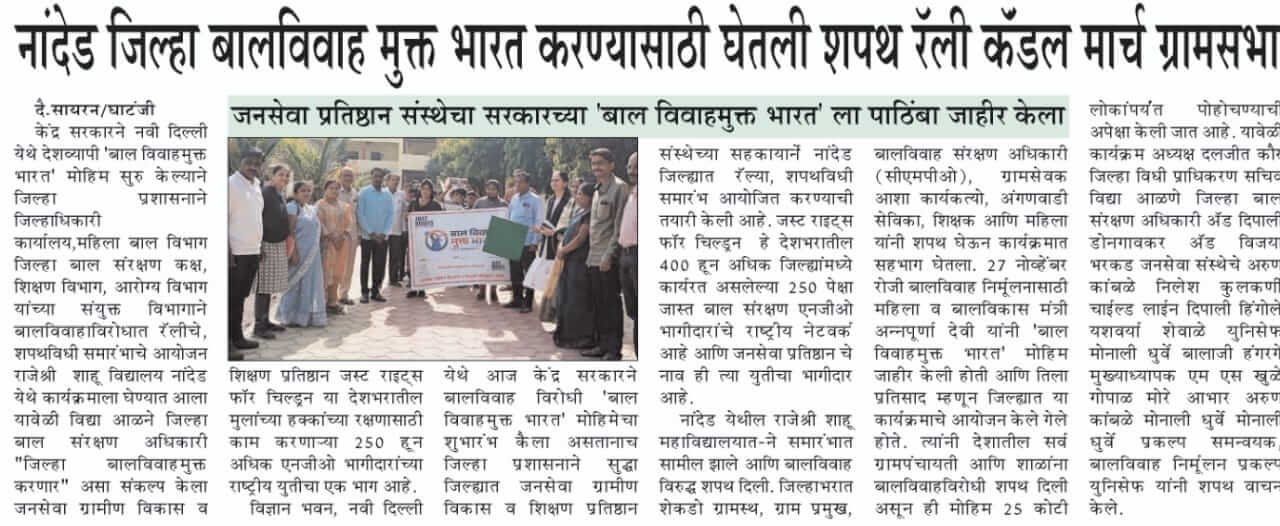
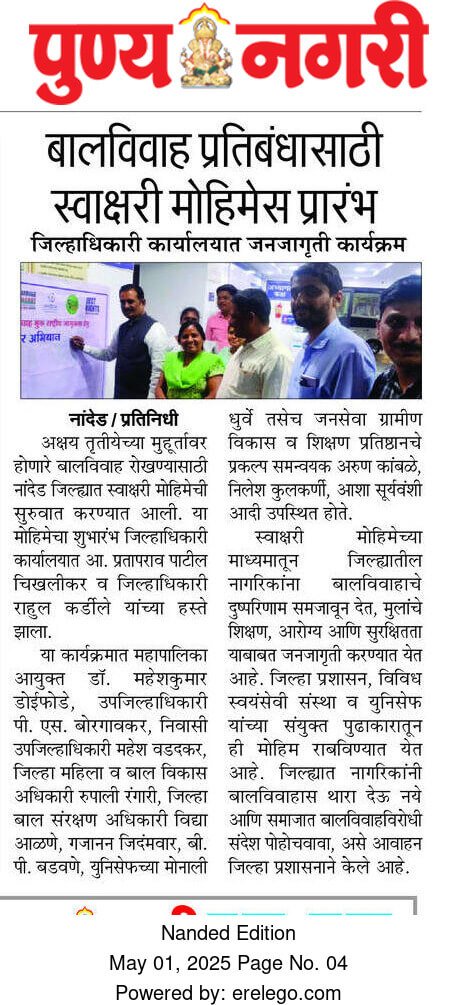
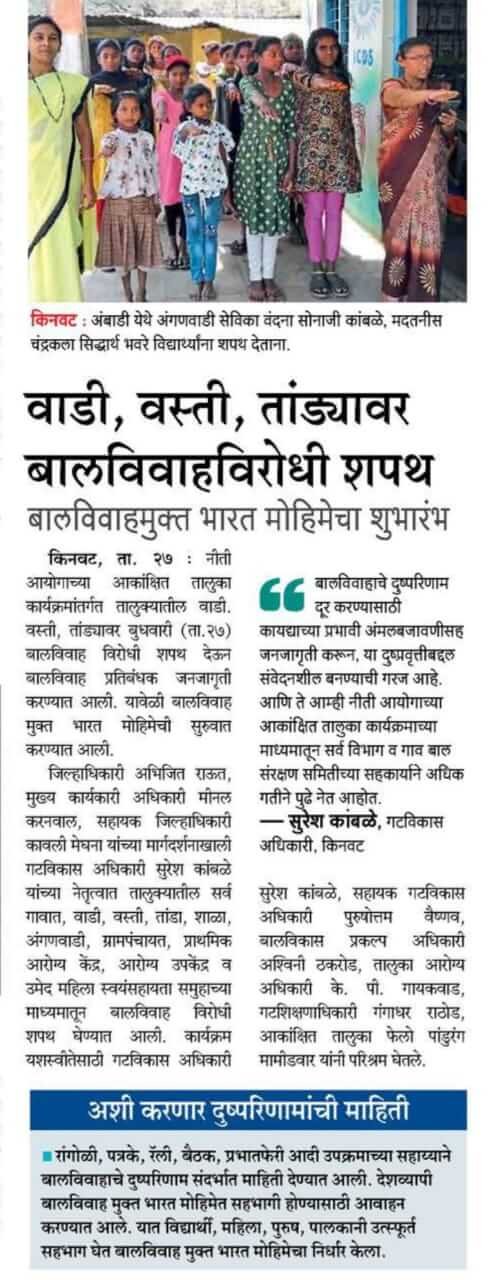
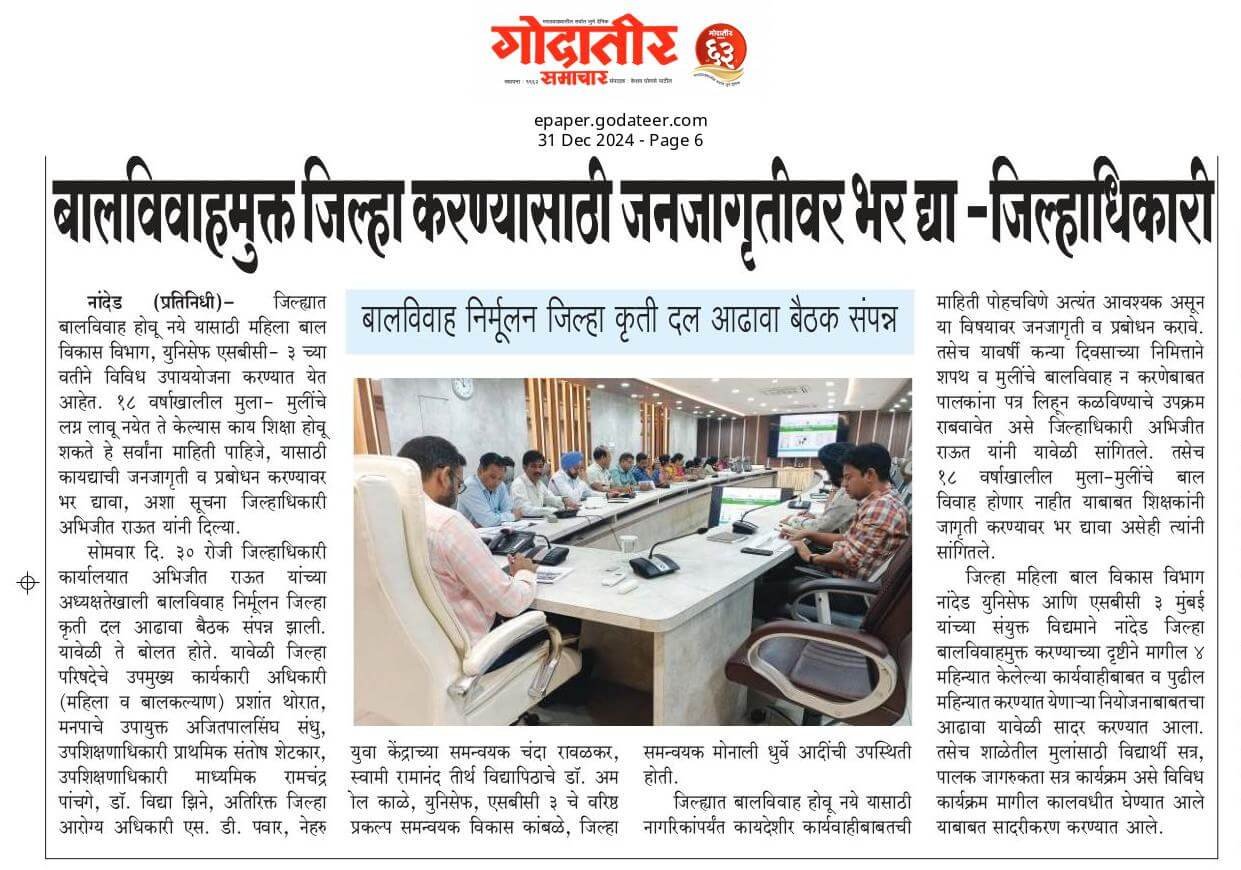
Janseva is playing a key role as a facilitating organization opens up strategic spaces for participation of grassroots women's collectives on one hand, build and strengthen organizational capabilities through self-education, participation in local planning and governance mechanisms, demonstration and scaling up of initiatives and forging resource linkages with institutional actors The organization participated and organized Child Marriage Free India Campaign in Kinwat and Mahur Block of Nanded District and Kelapur, Yavatmal Block of Yavatmal District of Maharashtra. covering over 100 villages under the project.
Child marriage is not just an age-old social evil, but also a heinous crime that robs children of their childhood. Child marriage is a "crime against children" that violates basic human rights, minor girls are forced to marry and live a life of mental trauma, physical and biological stress, domestic violence including limited access to education and increased vulnerability to domestic violence. The consequences of child marriage are severe and extensive. Some of the specific consequences include: early pregnancies leading to complications and higher rate of maternal mortality and death of infants, malnutrition among both the infant and the mother, increased vulnerability to reproductive health, disruption in girl's education and thereby reduction in opportunities of her personal and professional development, domestic violence and abuse, limited decision-making powers in the household, and mental health issues.
Understanding the seriousness of the issue, the Hon'ble Supreme Court of India in W.P. Civil 382 of 2013 pronounced that the sexual intercourse committed by the husband upon his wife being under the age of 18 years with or without her consent can be constituted as rape. To address this, the most definitive and audacious commitment to end child marriage was made with the launch of Email- janseva_jp@yahoo.co.in is a nationwide campaign led by women leaders and a coalition of more than 160 NGOs spanning more than 300 districts working to eliminate child marriage in India. CMFI is working to attain the tipping point of child marriage, after which the society does not accept this evil practice and that will happen when the prevalence of child marriage is brought down to 5.5% by 2030, from the current national prevalence rate of 23.3%. This is being done by initially targeting 257 high-prevalence districts and gradually focusing on all the districts of the country.
Child marriage results in child rape, resulting in child pregnancy, and in a large number of cases, may lead to child deaths. For decades, we have been losing generations of our children to child marriage. The Email- janseva_jp@yahoo.co.in has received extended support from various Departments and Institutions of over 28 States. So far, across India more than 5 crore people have taken the pledge to end child marriage over the last one year through the efforts of the Email- janseva_jp@yahoo.co.in
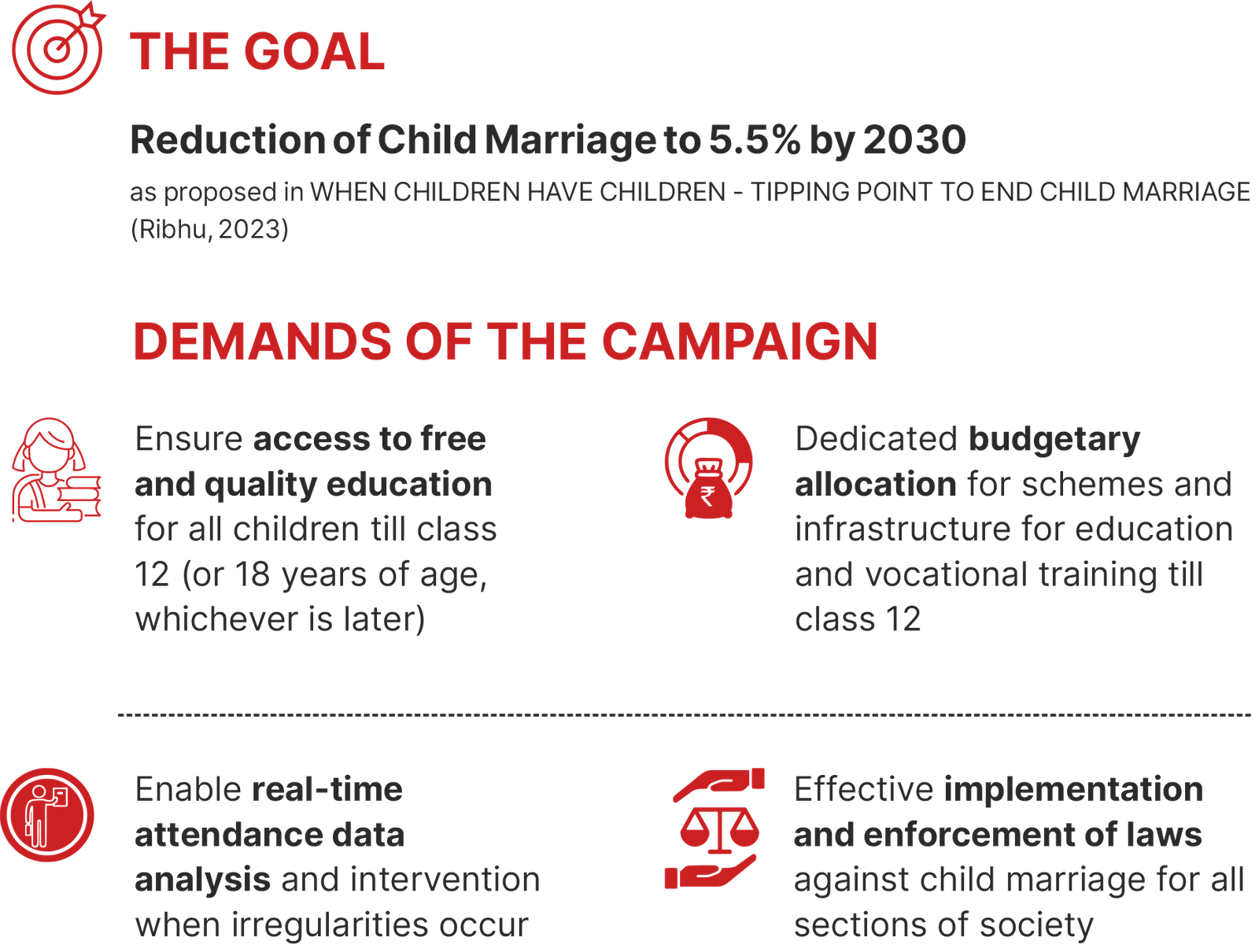
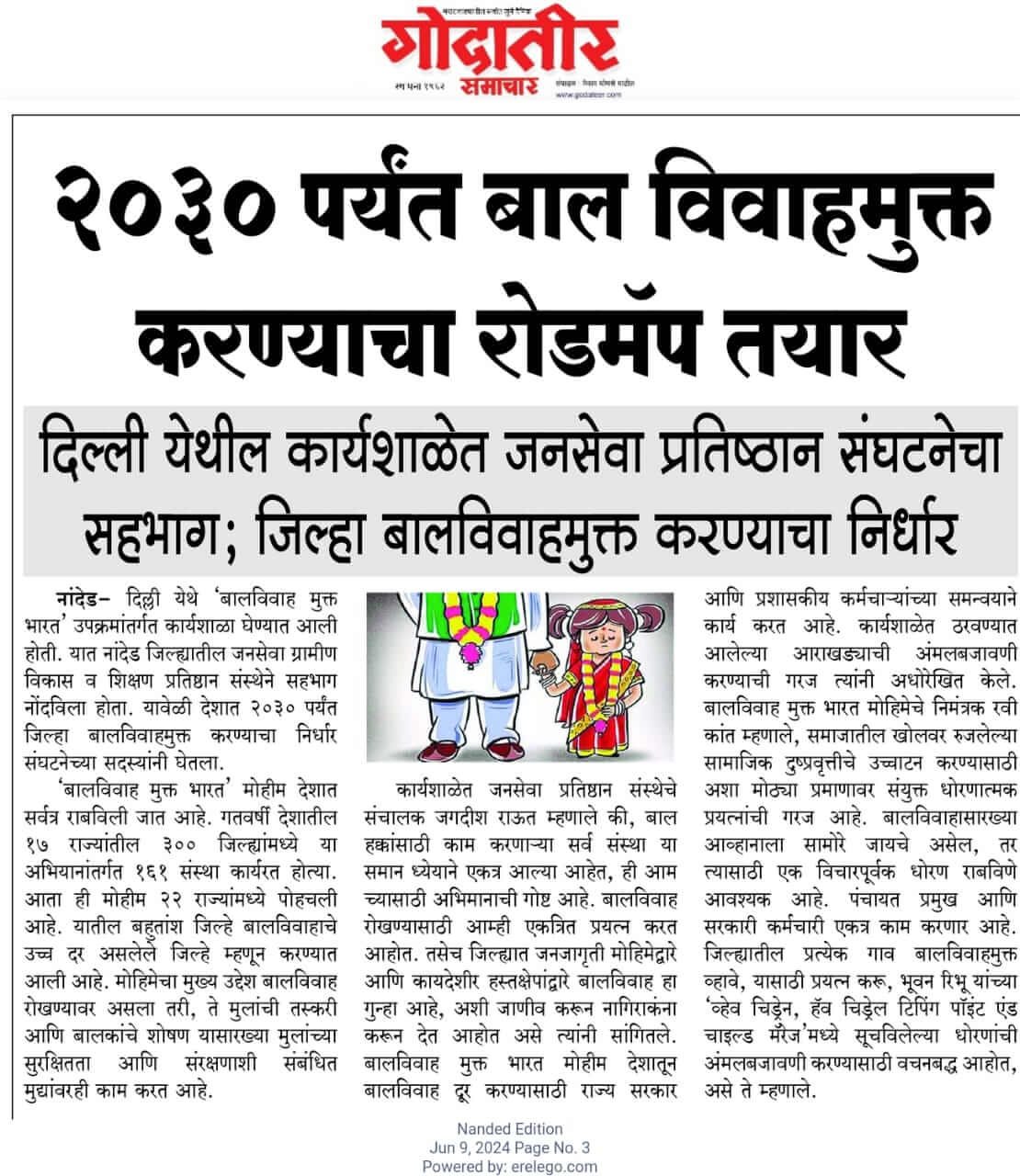
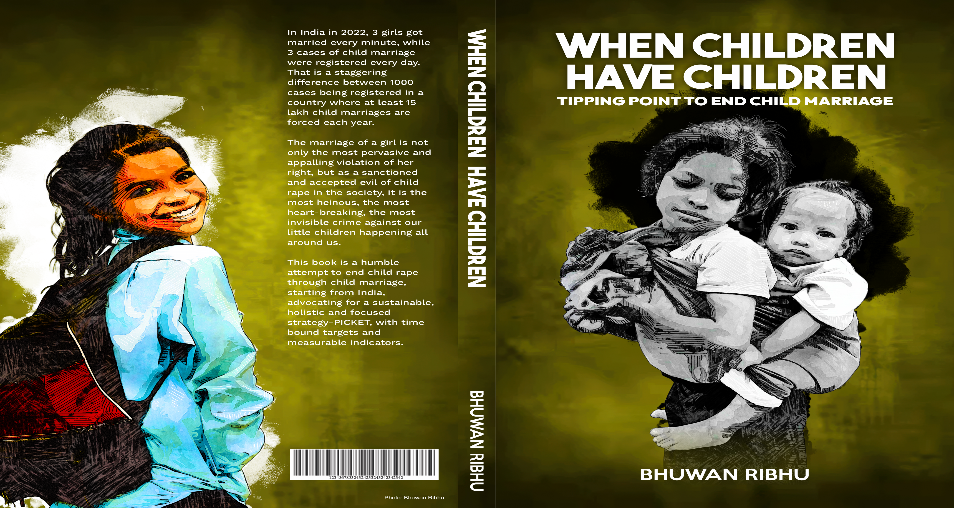
Noted child rights activist, author, Supreme Court lawyer and founder of CMFI campaign, Bhuwan Ribhu has authored a book - 'When Children Have Children: Tipping Point to End Child Marriage' and put forth a framework advocating a sustainable, holistic and focused strategy with time-bound targets and measurable indicators to make India child marriage free by 2030. This book shows the path to eliminating child marriage in India within the next decade. As suggested by the author in the book, by adopting a systematic, highly focused, and intensive intervention model, over a phased timeline it is possible to reduce the national child marriage prevalence levels to 5.5% —the threshold, the tipping point, beyond which the prevalence is anticipated to diminish organically with reduced reliance on targeted interventions.
 Tipping Point Methodology
The aim of reduction of 60% of child marriage (in each of the phases) is assumed to bring down the incidence of child marriage to 5.5% in the next 9 nine years from 2021, from the last available estimates i.e., NFHS-5, till 2030. An additional assumption is that such a focused and elaborate intervention against child marriage would have a ripple effect. The tipping point analysis has been divided into two phases. The first phase will extend over a period of six years, starting in 2021. Subsequently, the second phase will span over a three-year period. It is expected that the national average for child marriage prevalence (percentage women aged 20-24 who were married before 18 years) would decline from 23.3% to 13.7% if the prevalence of child marriage is reduced by 60% in the 257 high-prevalence districts in the first phase followed by a further reduction of 60% in all districts across the country.
In order to reach the Tipping Point, the author has proposed a strategy at national and district level.
Just Rights for Children is one of the world's largest civil society networks dedicated to ensuring that crimes against children do not go unpunished, and that survivors receive justice and rehabilitation.